

By Yorke Editorial · · 7 min read
Until 1949, great square-rigged sailing ships anchored off Port Victoria to load grain, then raced each other around Cape Horn to Europe. This is that story.
Thirteen tall ships at anchor
Picture the west coast of the Yorke Peninsula in 1939: thirteen square-rigged windjammers riding at anchor in the lee of Wardang Island, lighters and ketches shuttling bagged grain out from the jetty at Port Victoria. It was one of the last places on Earth where the age of sail was still working for a living.
The big steel barques came each summer because the economics still held: grain was a patient cargo, and a windjammer with a skeleton crew could carry it to Europe cheaply - if slowly. From the gulf ports they ran east around the bottom of the world, around Cape Horn, and up the Atlantic to Britain.
The Great Grain Race
Slowly, but not without pride. The annual scramble home became known as the Great Grain Race - an informal contest, followed avidly by newspapers and bettors, to log the fastest passage from South Australia to the English Channel. From 1928 there was even a silver cup for the fastest ship. Passages of under 100 days were the stuff of legend; bad years saw ships limp home in 140.
The last race, 1949
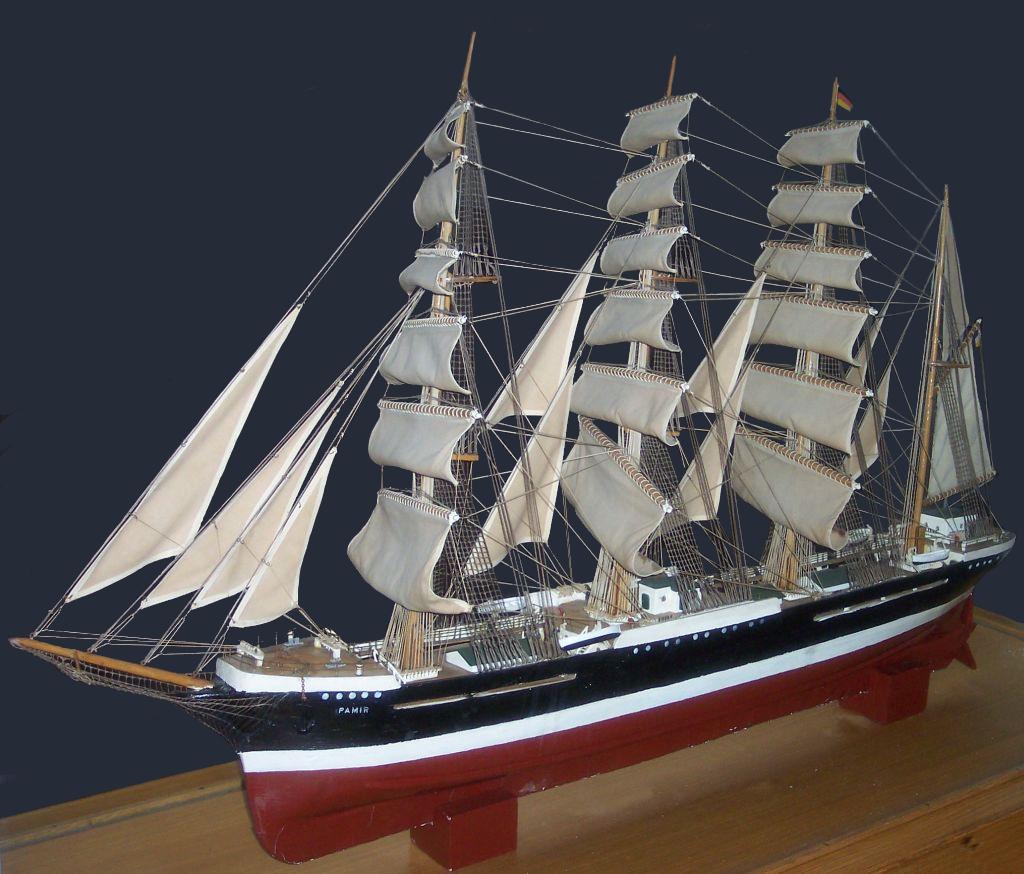
The Second World War all but finished the trade, and in 1949 it ended where it had lasted longest. That May, the Finnish-flagged windjammers Pamir and Passat loaded barley at Port Victoria - Pamir took aboard some 60,000 sacks bound for Scottish distilleries - and sailed for Europe within days of each other. Passat overhauled her rival in the Roaring Forties and made port in 110 days; Pamir followed in 128. No commercial square-rigger ever loaded an Australian grain cargo again, and Port Victoria entered history as the last of the windjammer ports.
Standing on the grain coast today
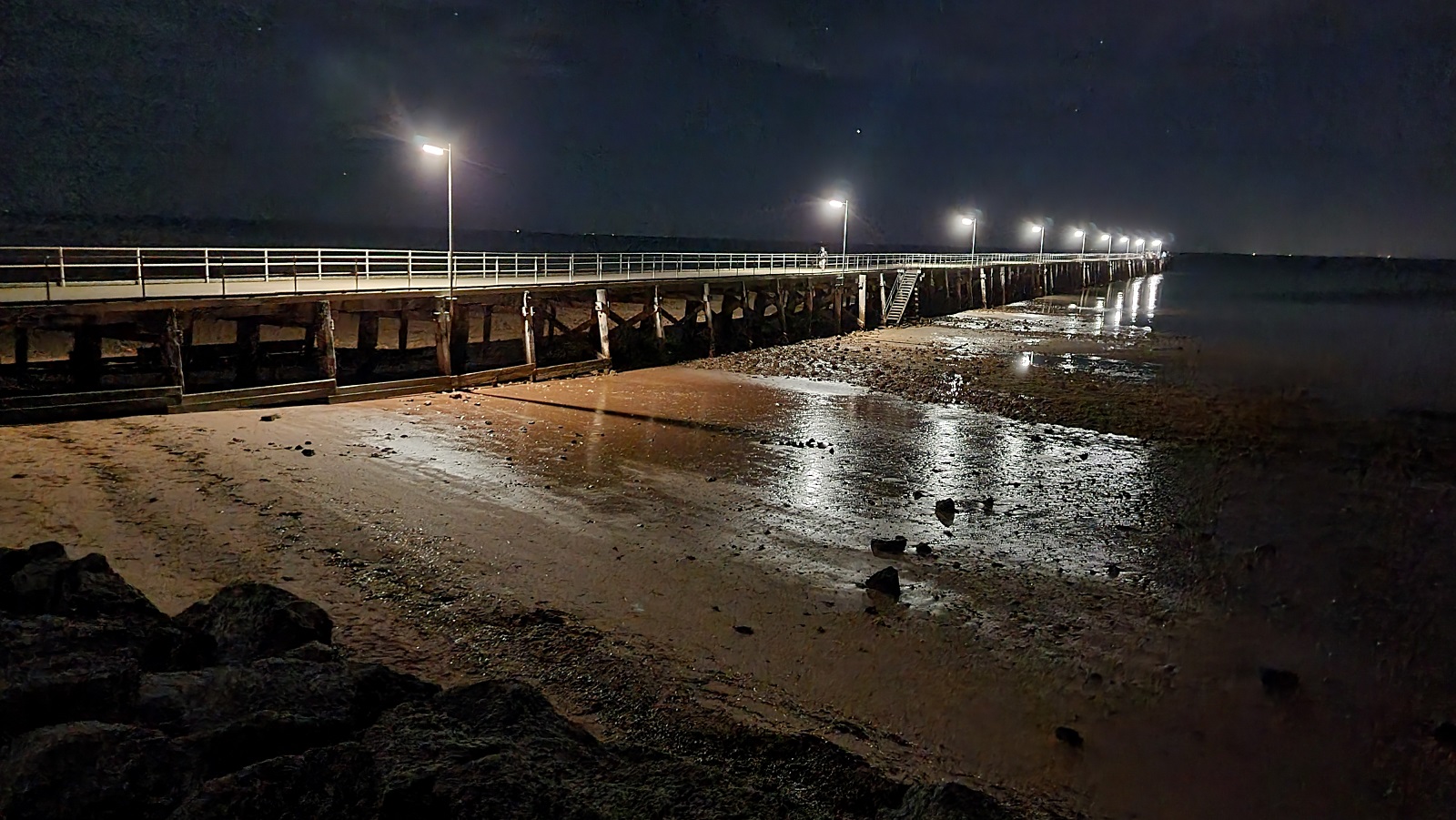
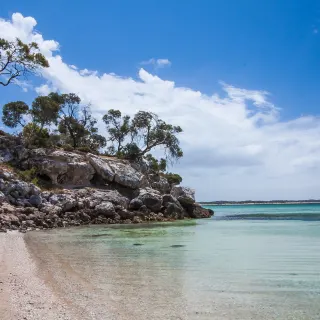
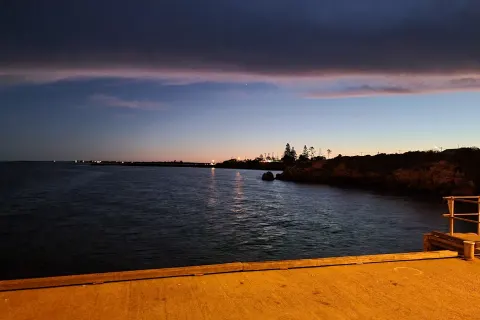
The story is beautifully kept at the Port Victoria Maritime Museum, in the old shipping office beside the jetty, and the jetty itself - once swarming with grain lumpers - is now given over to squid jigs and sunsets. Offshore, Wardang Island still shelters the anchorage where the tall ships lay.
The west coast keeps its end-of-the-world feel beyond the town, too - see our companion piece on the quiet west for the beaches and salmon holes further down the coast.