By Discover the Yorke · · 5 min read
Moonta, Wallaroo and Kadina still wear their Cornish heart on their sleeve, from poppet heads and pasties to the world's largest Cornish festival.
When rich copper ore was discovered on the upper Yorke Peninsula in 1859 and 1861, it triggered a rush that would reshape the region forever. Thousands of experienced miners sailed out from Cornwall, bringing their skills, their chapels and their pasties, and turning the triangle of Moonta, Wallaroo and Kadina into one of the most productive copper districts in the British Empire.
The towns that copper built
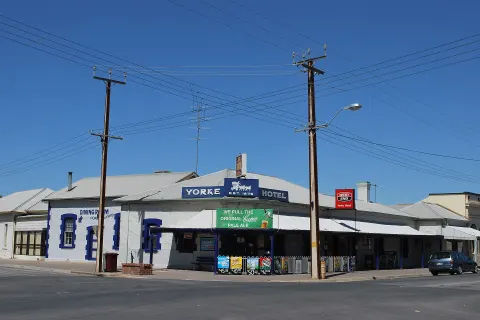
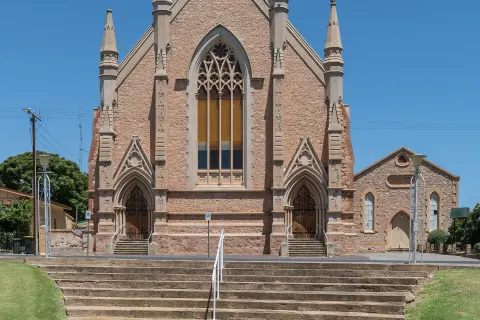
Each town played its part. Moonta and Wallaroo sat atop the great mines; Wallaroo also smelted the ore at its furnaces on the coast, shipping refined copper out through its busy port. Kadina grew into the commercial centre. Grand stone hotels, banks, churches and institutes rose almost overnight, and many still line the streets today.
Walking the relics
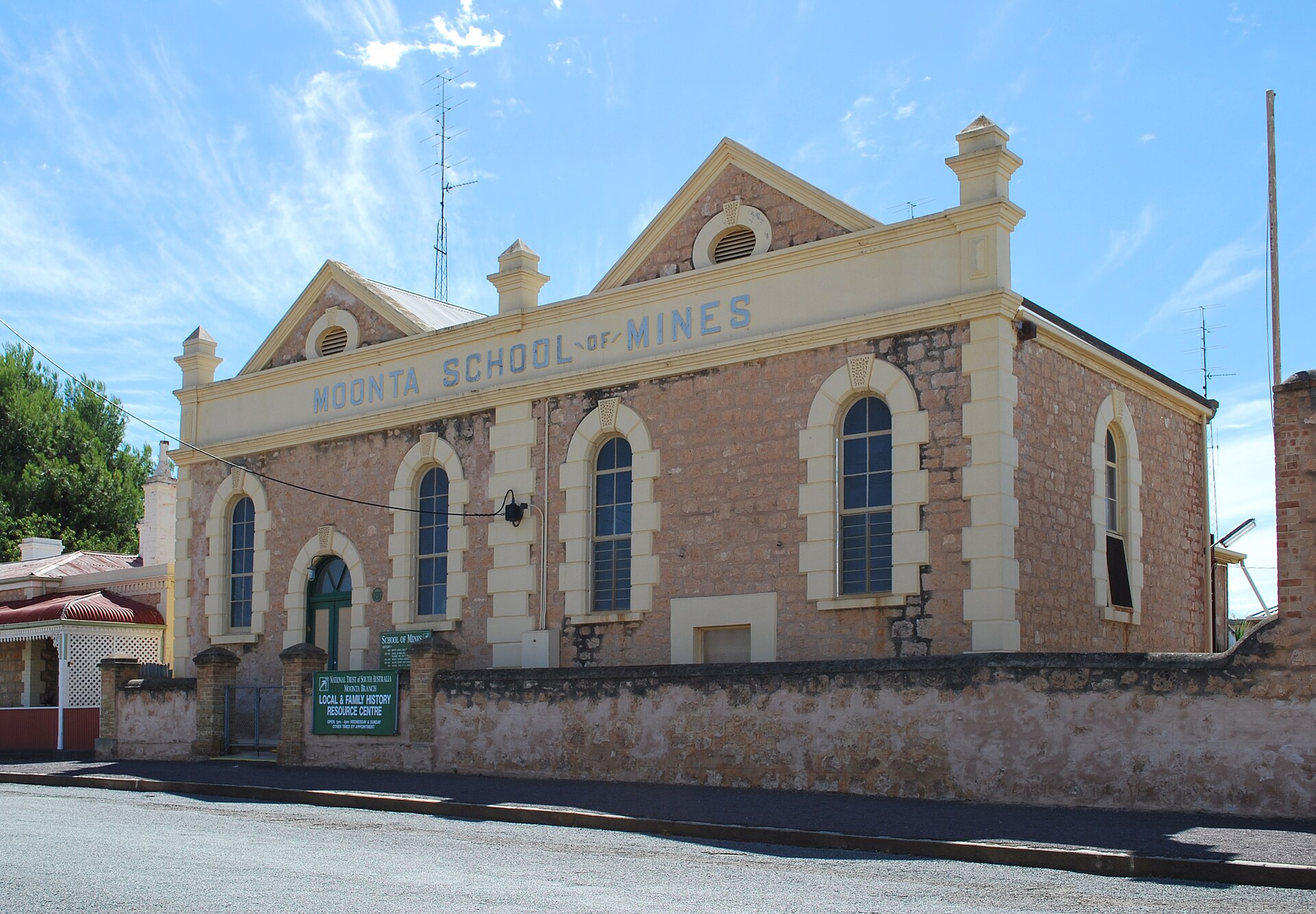
The Moonta Mines State Heritage Area is the showpiece, a sprawling site of Cornish engine houses, chimney stacks and a restored miner's cottage. The old Moonta Mines Model School now houses a museum packed with mining tools and family stories. In Wallaroo, the Heritage and Nautical Museum in the former post office tells of smelters, sailing ships and shipwrecks.
A culture that endured
What sets the Copper Coast apart is how alive its Cornish identity remains. Bakeries still sell pasties to old recipes, place names echo Cornwall, and every odd-numbered year the towns join forces for the Kernewek Lowender, billed as the largest Cornish festival in the world, with street parades, maypole dancing, furry dances and, of course, a pasty or two.
To walk these towns is to step into a remarkable immigrant story written in stone, copper and community pride.