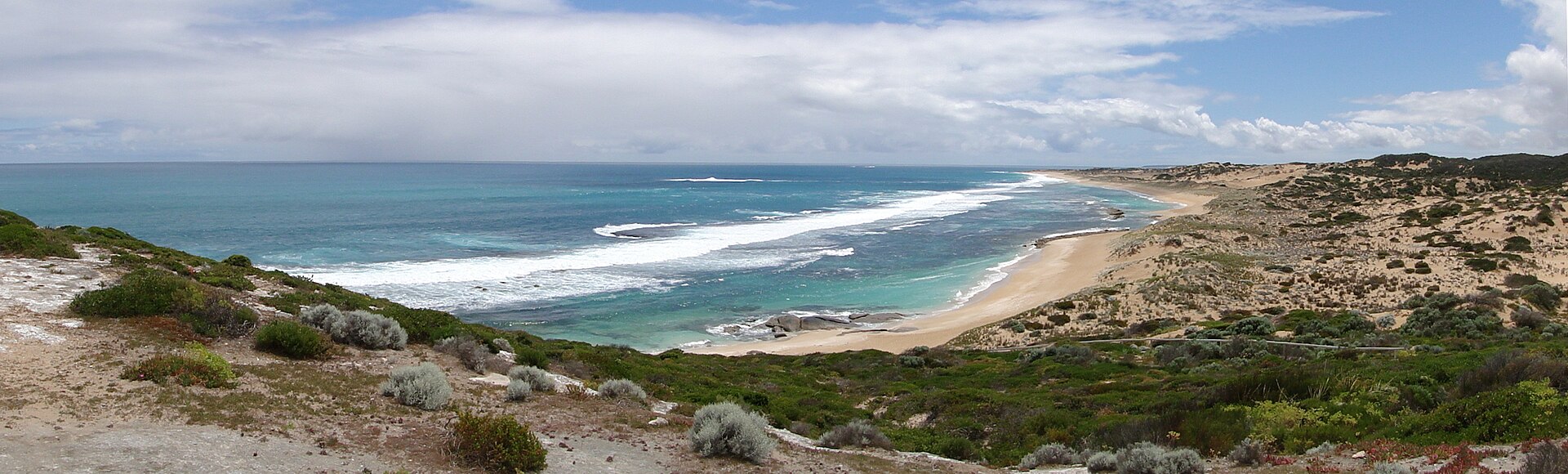
Each autumn, schools of Australian salmon push into the gutters at Browns Beach, and the car park fills with anglers who've made the long drive for a feed straight off the sand.
The pull of the run
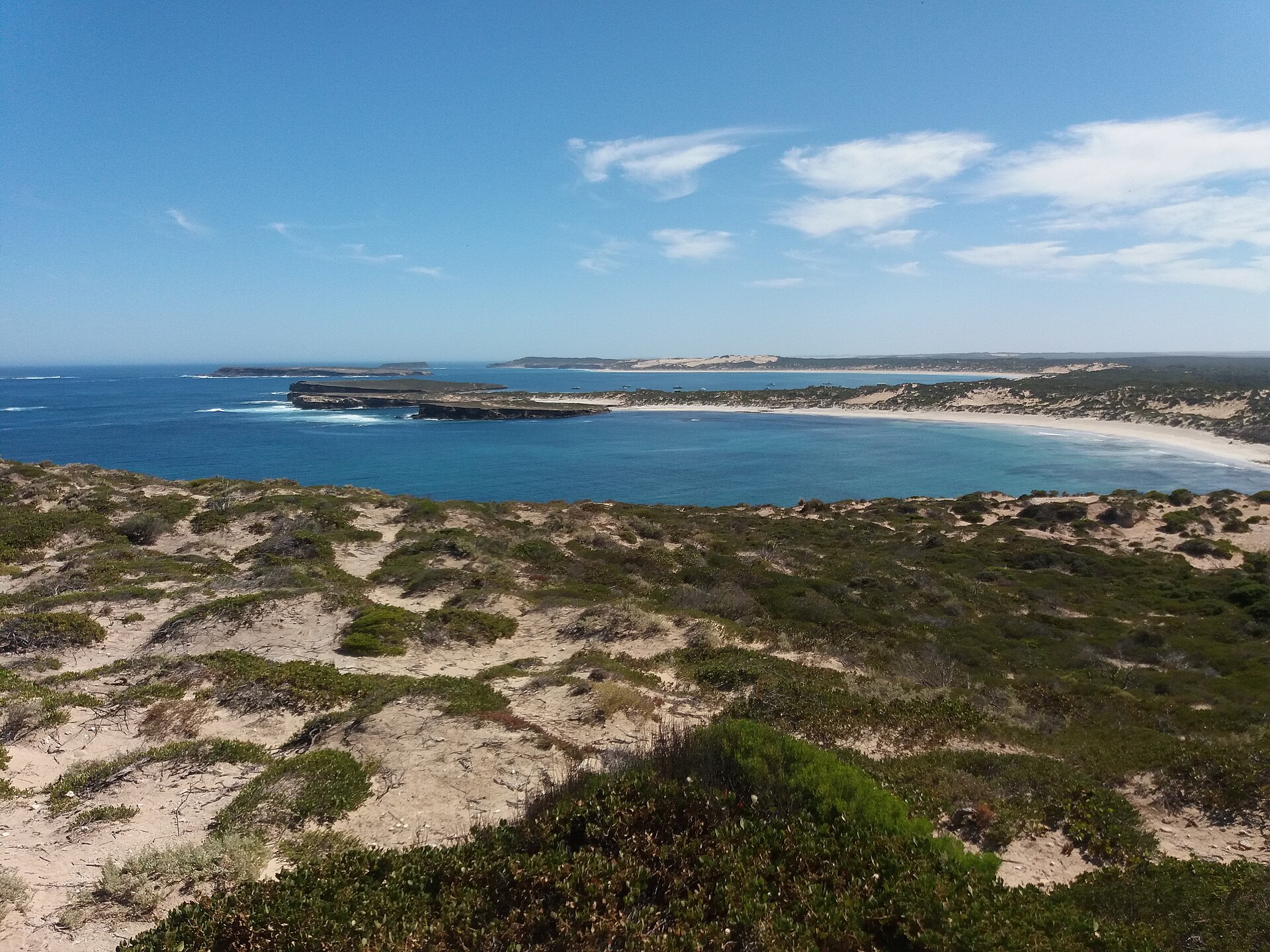
There is a particular kind of South Australian angler who will drive three hours, much of it on unsealed road, for the chance to stand on a windswept beach and cast into the surf. Browns Beach, on the wild western edge of Innes National Park, is the reason.
Each autumn and into winter, schools of Australian salmon push in close to the sand here, drawn by the deep gutters and churning banks that this exposed coast throws up. When the run is on, word travels fast, and the modest car park above the dunes fills with utes and four-wheel drives.
Reading the water
The trick at Browns is reading the gutters - the darker channels of deeper water between the sand banks, where the salmon hold and feed. Locals will tell you to fish the rising tide into the gutters closest to the rocks, casting a metal slug or a ganged pilchard out past the break and letting the swell do the work.
It is physical fishing. The walk down through the dunes is steep, the wind is relentless, and the surf can knock you off your feet if you wade carelessly. But when a salmon hits and runs in the white water, none of that matters.
More than the fish
What keeps people coming back, though, is bigger than the fishing. It is the enormous sky, the empty sweep of sand, the sense of standing at the very edge of the continent with nothing between you and Antarctica but cold ocean. Bring everything you need - there is nothing out here but the beach - and you'll understand why Browns gets under people's skin.